The best memory card reader depends on your cards, devices, and whether you need quick transfers or on-the-spot playback. These picks range from pocketable SD and microSD adapters to a multi-format desktop reader, so check slot types and connection compatibility first.
Quick Top Products
SABRENT USB-C & USB-A SD/Micro SD Reader
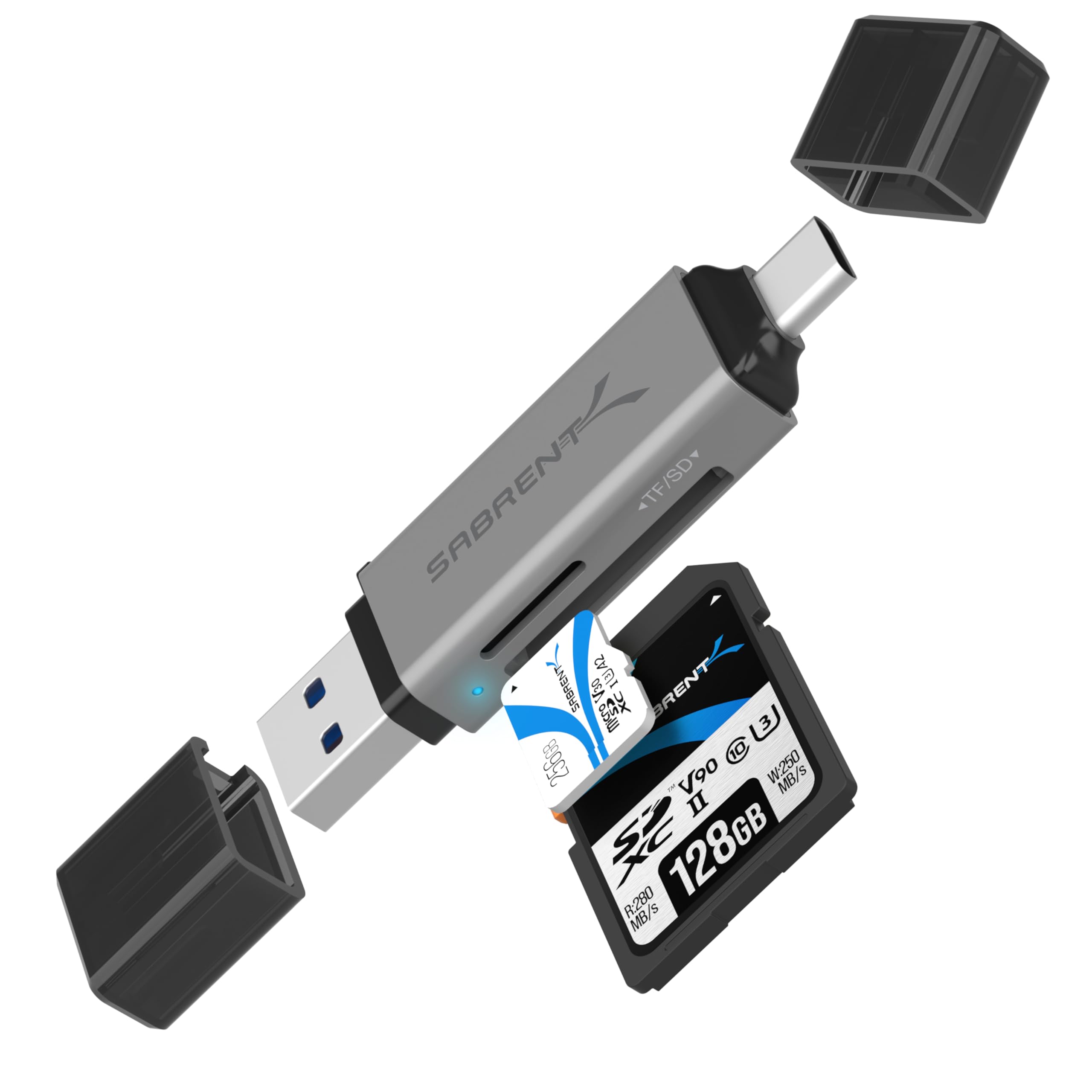
- Includes USB-C and USB-A connections for use with compatible devices.
- Reads SD and microSD card families, including SDXC and microSDXC.
- USB 3.0 interface supports transfers up to 5Gbps.
Best For: People moving SD and microSD files between newer USB-C devices and USB-A computers.

SABRENT USB-C UHS-II SD & microSD Reader
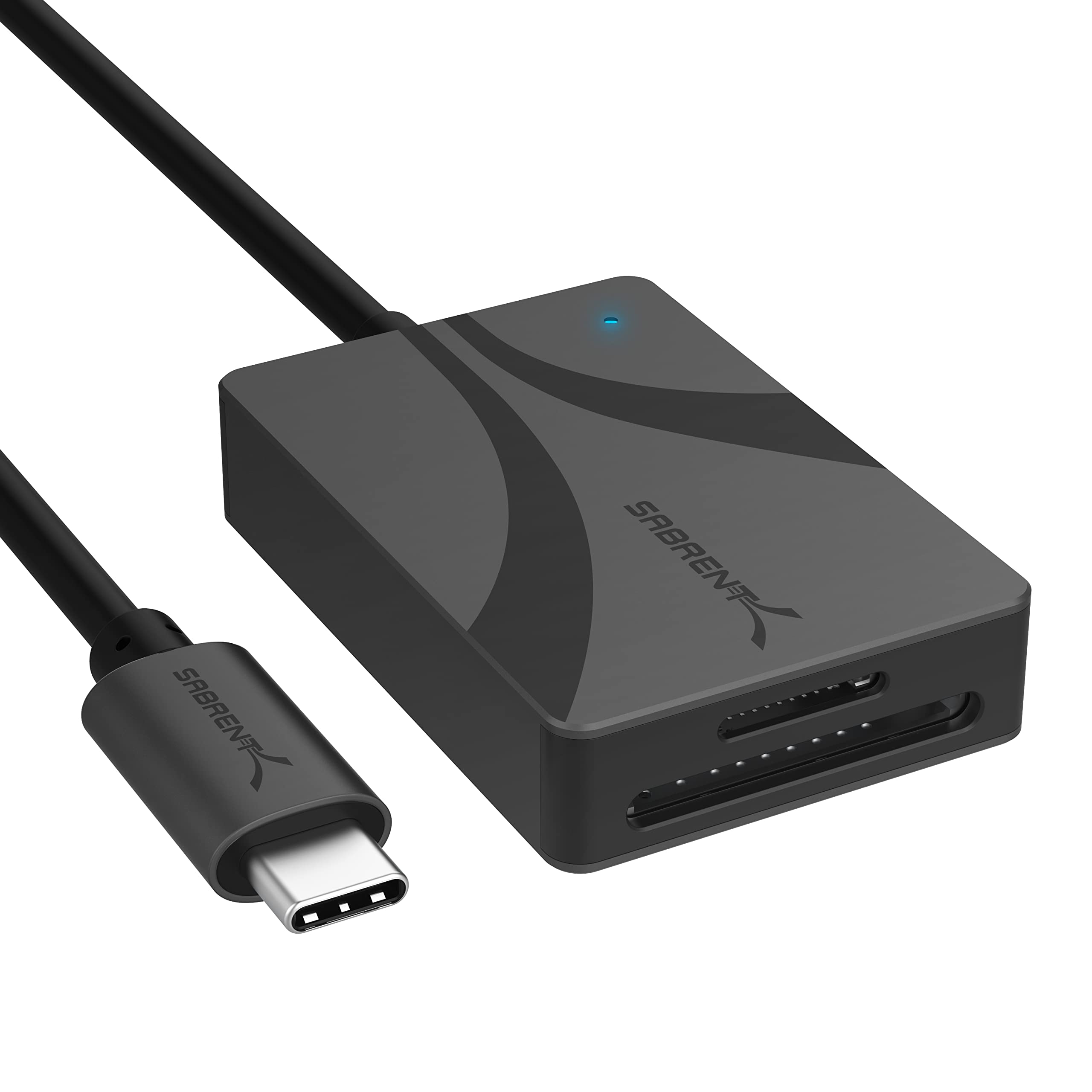
- Supports UHS-II SDXC and microSDXC cards.
- Both slots can transfer files simultaneously.
- Has an integrated 6-inch USB Type-C cable.
Best For: USB-C users who want a dual-slot reader with UHS-II card support and an integrated cable.
SMALLRIG SD/TF Dual-Slot Card Reader 4870
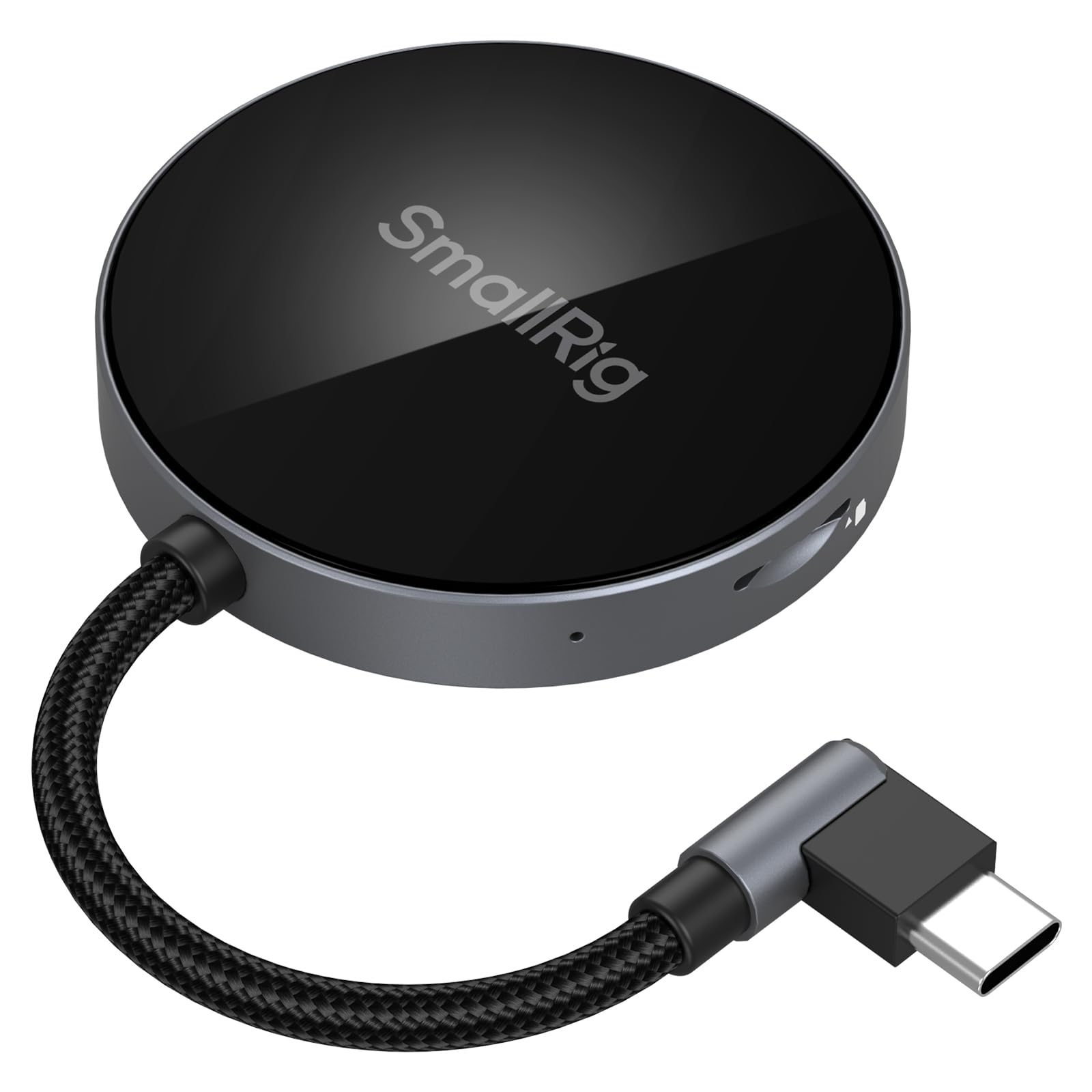
- Two slots support SD and TF cards at once.
- The USB Type-C connector is angled at 90 degrees.
- A built-in magnet attaches to listed phone models.
Best For: People who want to connect SD or TF cards to supported USB-C phones, tablets, or computers.
SABRENT USB 3.0 Micro SD and SD Reader
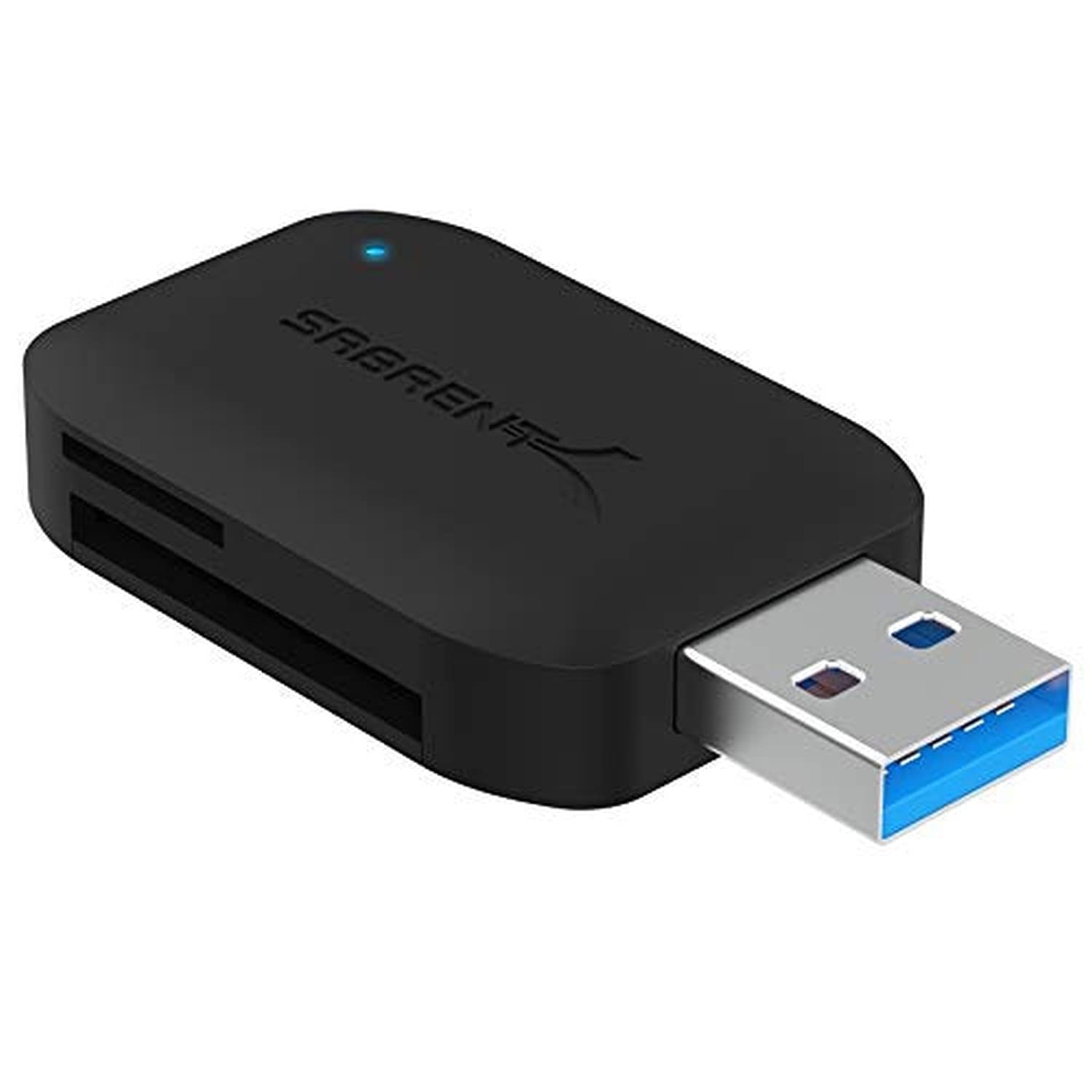
- Reads SD and microSD cards, including UHS-I cards.
- Supports simultaneous reading of two cards.
- USB 3.0 transfer rates are up to 5Gbps.
Best For: Users transferring SD and microSD files to a computer with USB-A.
SABRENT SuperSpeed 2 Slot Card Reader
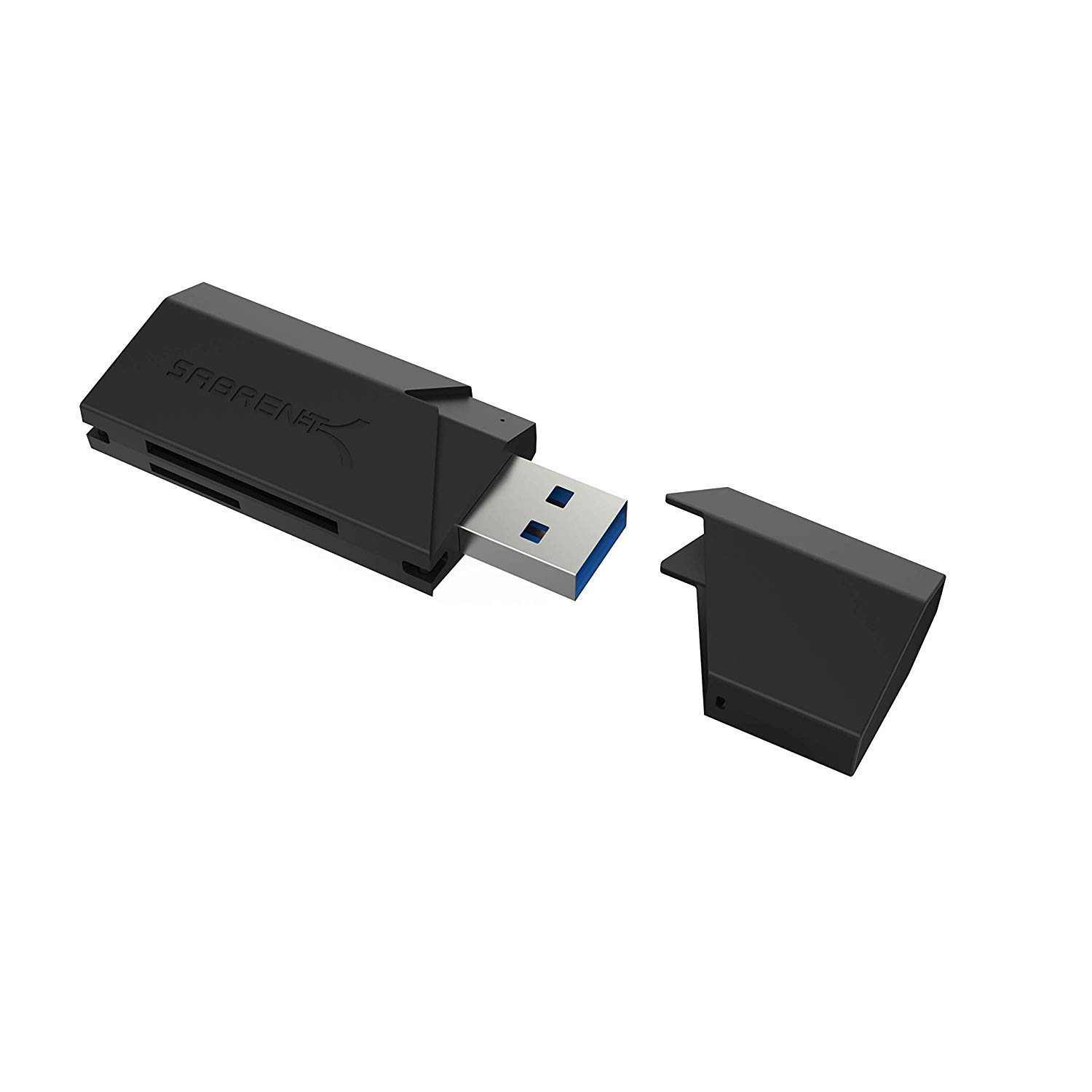
- Supports SD, SDHC, SDXC, MMC, microSD, and T-Flash cards.
- It is USB-powered and needs no additional power supply.
- Plug-and-play operation requires no installation.
Best For: People seeking a basic USB-powered reader for SD, microSD, MMC, and T-Flash cards.
SABRENT 75-in-1 Multi Flash Reader/Writer
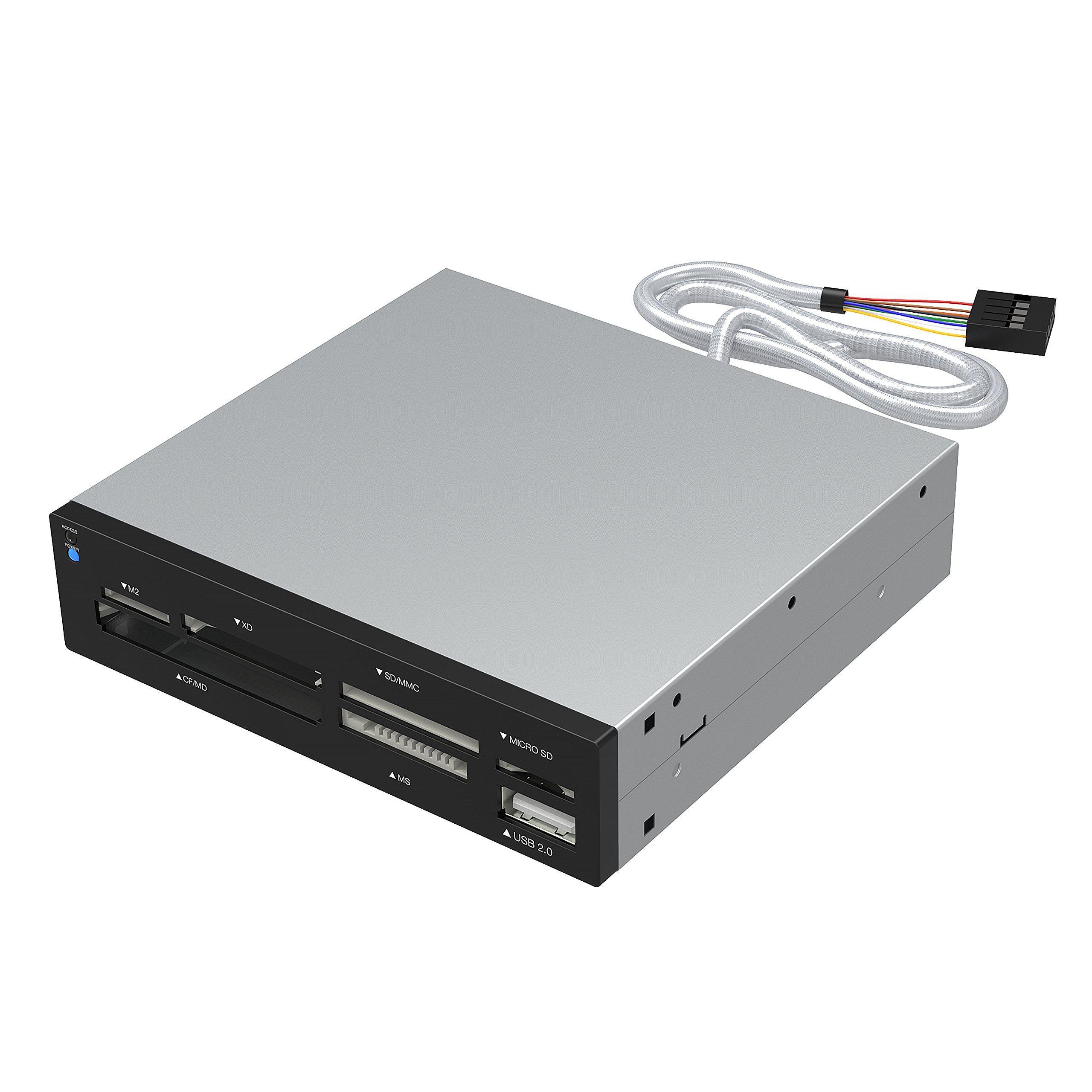
- Six slots cover a wide selection of memory card formats.
- Supported formats include M2, XD, SD, microSD, CompactFlash, and Memory Stick.
- It includes a USB 2.0 port.
Best For: Users with a mix of older memory card formats who want one external reader with a USB port.
SABRENT 74-in-1 Internal Card Reader
- Designed as a 3.5-inch internal card reader.
- Six slots support a broad group of card formats.
- It includes an additional USB 2.0 port.
Best For: Desktop builders who want an internal multi-format card reader and USB port.
Muddy CRV3 HD SD Card Viewer
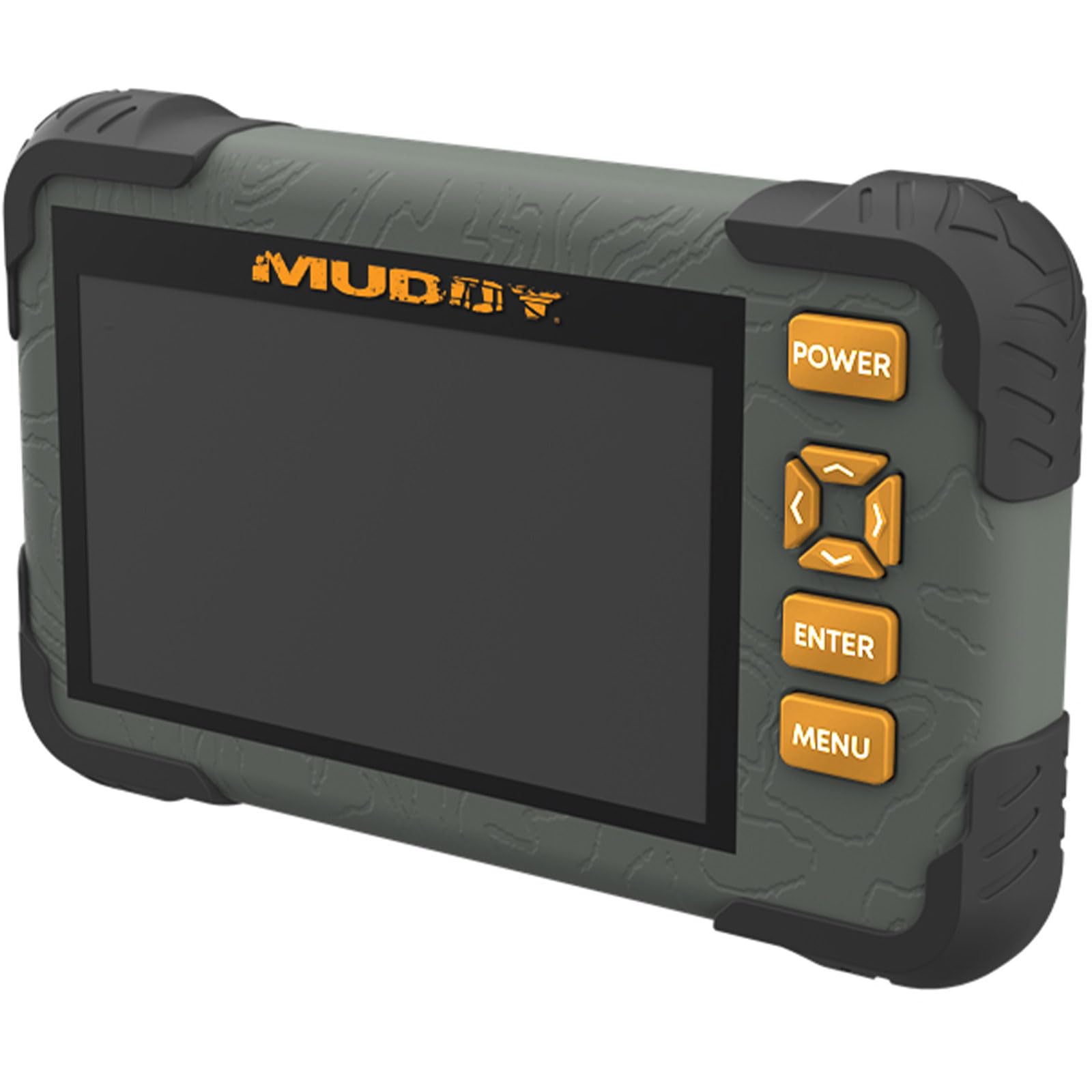
- Has a 4.3-inch color LCD screen.
- Supports 1080p video playback.
- Includes a headphone jack for audio.
Best For: Outdoor users who want to view SD card video on a built-in screen and listen through headphones.
USB-C and USB-A Flexibility
SABRENT SD Card Reader USB C & USB A, Micro SD Card Reader, USB 3.0 Dual Slot Memory Card Adapter for Laptop PC Android (CR-BCA2)
This Sabrent reader has both USB-C and USB-A connections, making it a practical choice when your music or camera files move between newer laptops, PCs, and supported Android devices. Its two slots handle SD and microSD formats, including SDXC and microSDXC, while the USB 3.0 interface supports transfers up to 5Gbps.
It works without drivers or software and has a built-in activity light. The main tradeoff is that the reader covers SD and microSD families rather than the wider range of legacy card formats supported by some larger readers.
Check that your particular Android device supports it.
Best For: People moving SD and microSD files between newer USB-C devices and USB-A computers.
| Pros | Cons |
|---|---|
|
|
Choose this option if you regularly transfer music or media between USB-C and USB-A equipment and use SD or microSD cards. It combines those connectors in one reader, while its card support is narrower than the multi-format Sabrent readers.
Before buying, check the ports on your computer and confirm Android compatibility if you plan to connect a phone or tablet.
UHS-II SD and microSD Transfers
SABRENT USB Type-C Card Reader, Dual-Slot UHS-II SDXC and microSDXC SD 4.0 (CR-CSDM)
This Sabrent dual-slot reader supports UHS-II SDXC and microSDXC cards, with transfer speeds up to 312MBps. Both slots can transfer files simultaneously, which can suit a workflow that moves material from two cards at once.
Its integrated 6-inch USB 3.2 Gen 1 Type-C cable avoids a separate cable, and it is bus-powered with plug-and-play operation. Compatibility is listed for Windows 8 and newer and macOS 12 and newer.
The USB host connection supports up to 5Gbps, so actual transfer speed also depends on the host and card; check those parts of your setup before expecting the maximum figure.
Best For: USB-C users who want a dual-slot reader with UHS-II card support and an integrated cable.
| Pros | Cons |
|---|---|
|
|
Consider this reader if your workflow uses UHS-II SD or microSD media and your computer has USB-C. Its integrated cable and simultaneous slot use make it a more specialized option than the simpler SD readers.
Verify your card generation, operating system, and host connection: the reader's maximum card speed does not mean every card or computer will reach that rate.
Angled Connector for Mobile Setups
SMALLRIG SD/TF Dual-Slot Card Reader USB 4.0 312MB/s - 4870
The SMALLRIG 4870 combines SD and TF card slots with a USB Type-C connection and a 90-degree angled interface. It supports simultaneous SD and TF transfers and has a stated maximum transfer rate of 312MB/s.
A built-in magnet lets it attach to the backs of listed phone models for hands-free use, and the compact design is intended for phones and tablets as well as computers. Compatibility spans multiple operating systems and devices, but the list is specific.
Check your exact phone or tablet model and card type. Android transfers may also require allowing the file manager to run in the background.
Best For: People who want to connect SD or TF cards to supported USB-C phones, tablets, or computers.
| Pros | Cons |
|---|---|
|
|
This SMALLRIG reader is a fit for someone who wants a USB-C card reader close to a phone or tablet, especially when the angled plug helps with a compact setup. Its phone magnet and two-slot transfer support distinguish it from basic adapters.
Review the compatibility list for your exact device, and account for the Android background-process requirement if applicable. The 312MB/s figure is a maximum, not a guarantee for every card and host.
Compact Two-Slot USB-A Reader
SABRENT USB 3.0 Micro SD and SD Card Reader (CR-BYMS)
This compact Sabrent reader covers the common SD and microSD families, including SDXC, microSDXC, and UHS-I cards. It can read two cards simultaneously and connects over USB 3.0, with data transfer up to 5Gbps.
An LED indicates activity, and the connection is backward compatible with USB 2.0 and 1.1. Its focus is straightforward: SD and microSD access from a computer.
The product details identify Windows and Mac compatibility, but do not establish a USB-C connection, so check your computer's port before choosing it. It can suit a music workflow built around camera or portable-device cards without needing broader legacy formats.
Best For: Users transferring SD and microSD files to a computer with USB-A.
| Pros | Cons |
|---|---|
|
|
Choose this reader when your source cards are SD or microSD and your computer has a suitable USB connection. Simultaneous card reading and the activity light are useful for simple transfers, while the supported formats remain focused on the two common families.
Check for USB-C needs and confirm that your operating system is compatible before buying, since the listed compatibility focuses on Windows and Mac.
Simple Dual-Slot USB 3.0 Reader
SABRENT SuperSpeed 2 Slot USB 3.0 Flash Memory Card Reader for Windows, Mac, Linux, and Certain Android Systems Supports SD, SDHC, SDXC, MMC/MicroSD, T Flash [Black] (CR-UMSS)
The Sabrent CR-UMSS is a two-slot USB 3.0 reader for SD, SDHC, SDXC, MMC, microSD, and T-Flash cards. It draws power from the USB port, so it does not need a separate power supply, and plug-and-play operation avoids installation.
USB 2.0 hosts are supported as well. This is a straightforward choice for moving files from common camera and portable-device cards to a computer.
It does not provide USB-C and USB-A connector choices in one device, so make sure the host port matches. The product title also notes support for Windows, Mac, Linux, and certain Android systems.
Best For: People seeking a basic USB-powered reader for SD, microSD, MMC, and T-Flash cards.
| Pros | Cons |
|---|---|
|
|
This is a sensible fit for a computer-based library workflow using common SD, microSD, MMC, or T-Flash media. USB power and no-installation setup keep it simple, and its operating-system range is broad.
Check the computer's connector and, for Android, whether your specific device is among the supported systems. A user needing USB-C flexibility or specialized high-speed card support should compare the more targeted options.
Broad Legacy Card Format Support
SABRENT 75 in 1 Multi Flash Media Card Reader/Writer(with Power Cord) (CRW-UINB)
This external Sabrent reader supports a broad range of card types, with six slots covering formats such as M2, XD, SD, MMC, microSD, CompactFlash, Microdrive, and Memory Stick. Some cards may need an adapter.
It also includes a USB 2.0 port and an internal power connector intended to provide sufficient power to external USB devices. The listing names Windows, Linux, and Mac OS X support.
The wide format coverage can suit a collection of older media, but this is a USB 2.0 reader. Confirm which of your cards need adapters before relying on it for a particular archive.
Best For: Users with a mix of older memory card formats who want one external reader with a USB port.
| Pros | Cons |
|---|---|
|
|
Pick this reader if your music or media archive includes older cards that a standard SD and microSD adapter will not handle. Its breadth of formats and six slots are the main reason to choose it.
The tradeoff is its USB 2.0 connection and possible adapter needs. Identify your specific card formats first, then check whether the necessary adapters are available and whether USB 2.0 suits your transfer workflow.
Internal Desktop Bay Installation
SABRENT 74 in 1 3.5 Inch Internal Flash Media Card Reader/Writer with USB Port (CR-USNT)
Unlike the portable adapters in this roundup, this Sabrent reader is designed for installation in a 3.5-inch desktop bay. It supports a wide set of card formats through six reader slots, including SD, MMC, microSD, CompactFlash, Memory Stick, M2, and XD; some cards may require an adapter.
A USB 2.0 port is also included, and an internal power connector is intended to provide sufficient power for external USB devices. This makes it relevant for a fixed workstation that handles varied legacy media.
Check your case's available bay and the card formats you use before buying, since it is not a pocket reader for mobile transfers.
Best For: Desktop builders who want an internal multi-format card reader and USB port.
| Pros | Cons |
|---|---|
|
|
This model suits a fixed desktop setup where frequent access to varied card formats matters more than portability. It shares broad format coverage with the external multi-reader, but its 3.5-inch internal form is the defining choice.
Check that your desktop has the required bay and that the slots match your media. The USB 2.0 connection also makes it less suited to workflows that prioritize faster host interfaces.
On-Device SD Playback Screen
Muddy CRV3 HD SD Card Viewer - Durable Water-Resistant Hunting Outdoor SD Card Reader/Viewer with 4.3" LCD Screen & Headphone Jack for Audio - Supports up to 32GB
The Muddy CRV3 is an SD card viewer with a 4.3-inch color LCD screen and 1080p video playback. Its SD slot supports cards up to 32GB, and a headphone jack provides audio listening.
This makes it a different kind of card tool from the computer adapters in this roundup: it is suited to checking stored video on the device rather than simply transferring files to a computer. The title identifies a water-resistant design for hunting and outdoor use, though no specific water rating is given.
Confirm that your card capacity is within its stated limit and that your files suit its playback support.
Best For: Outdoor users who want to view SD card video on a built-in screen and listen through headphones.
| Pros | Cons |
|---|---|
|
|
Choose the Muddy viewer if the main goal is checking video and audio directly from an SD card, especially in an outdoor setting where a built-in screen is useful. It is not a general-purpose computer reader in the same way as the USB adapters.
Check card capacity and playback format needs, and verify whether you also need a separate reader for transferring files to a computer.
How to Choose Memory Card Readers
How We Picked Memory Card Readers
We focused on devices that read memory cards for media access, transfer, or playback, then kept the picks distinct by connector, card format, setup, and use. Compact SD and microSD adapters suit common camera and portable-device cards.
Dual-connector readers address computers with different ports, while UHS-II options target compatible cards and hosts. The broad-format readers serve older media collections, and the Muddy viewer fills a separate need: viewing SD card video directly on a screen.
For a live music or nightlife workflow, the right fit may depend on where files are handled. A touring laptop setup benefits from a portable USB reader, while a fixed desktop archive can make use of an internal multi-format reader.
Someone reviewing footage away from a computer may prefer the standalone viewer. We included those distinct functions without treating them as interchangeable.
Comparing Memory Card Readers by Card and Connection
Start with the card itself. The compact readers focus on SD and microSD formats, while the external and internal Sabrent multi-readers cover additional types such as CompactFlash, Memory Stick, M2, or XD.
Some older formats may require an adapter. The Muddy device is an SD viewer with a stated capacity limit, so it serves playback more directly than computer transfers.
Next, match the host connection. The dual USB-C and USB-A Sabrent reader provides connector flexibility, and the USB-C UHS-II model has an integrated cable.
The SMALLRIG uses USB-C with an angled plug and magnetic phone attachment for listed devices. Other compact Sabrent readers are suited to USB hosts, so check the port on the computer or mobile device before ordering.
Transfer figures need context. USB interface speed and card speed are separate parts of the chain, and the card, host, and file workflow affect actual transfers.
UHS-II support matters only when the card and host can make use of it. A USB 2.0 legacy reader can still be useful for broad card coverage, but its connection is a different fit from USB 3.0 or USB 4.0 models.
| Product | Standout features | Best for |
|---|---|---|
| SABRENT USB-C & USB-A SD/Micro SD ReaderCheck Price |
| People moving SD and microSD files between newer USB-C devices and USB-A computers. |
| SABRENT USB-C UHS-II SD & microSD ReaderCheck Price |
| USB-C users who want a dual-slot reader with UHS-II card support and an integrated cable. |
| SMALLRIG SD/TF Dual-Slot Card Reader 4870Check Price |
| People who want to connect SD or TF cards to supported USB-C phones, tablets, or computers. |
| SABRENT USB 3.0 Micro SD and SD ReaderCheck Price |
| Users transferring SD and microSD files to a computer with USB-A. |
| SABRENT SuperSpeed 2 Slot Card ReaderCheck Price |
| People seeking a basic USB-powered reader for SD, microSD, MMC, and T-Flash cards. |
| SABRENT 75-in-1 Multi Flash Reader/WriterCheck Price |
| Users with a mix of older memory card formats who want one external reader with a USB port. |
| SABRENT 74-in-1 Internal Card ReaderCheck Price |
| Desktop builders who want an internal multi-format card reader and USB port. |
| Muddy CRV3 HD SD Card ViewerCheck Price |
| Outdoor users who want to view SD card video on a built-in screen and listen through headphones. |
Choosing a Reader for Music, Camera, and Archive Files
For routine SD or microSD imports, a compact two-slot adapter keeps the setup simple. If your computers use both connector types, the USB-C and USB-A model reduces the need to carry separate readers.
Mobile transfers call for closer compatibility checks: the SMALLRIG lists specific phones and tablets, and Android background file handling can affect whether a transfer completes.
For a library of older cards, identify every format before choosing a multi-reader. The six-slot external and internal models support a wider mix, but some cards may need adapters.
The internal version also requires a suitable desktop bay. If you need to review footage away from a computer, the Muddy viewer's screen, audio jack, and 32GB SD limit are central considerations; check the video format and card capacity before relying on it.
Which Memory Card Reader Fits Your Setup?
Choose the USB-C and USB-A Sabrent if your day-to-day work spans both port types and uses SD or microSD cards. Pick the Sabrent UHS-II reader when your cards, USB-C host, and operating system align with its support details.
The SMALLRIG makes sense for compatible phone or tablet workflows where its angled connector and magnetic attachment are useful.
For a simple USB transfer station, the smaller Sabrent SD and microSD readers cover common card formats. Choose the external 75-in-1 reader for a portable collection of legacy cards, or the internal 74-in-1 model for a desktop bay installation.
Pick the Muddy viewer when direct screen playback matters more than moving files to a computer. In every case, confirm the exact card type, host port, operating system, and any required adapter before purchasing.