Music teachers balance lessons, practice, performances, and the small details that keep a music room running. A useful gift can support their work or give them a fresh way to enjoy making music.
These 12 ideas range from practical desk supplies to instruments and studio equipment. For larger gifts, consider the recipient’s space, setup, and musical interests before choosing.
12 Gift Ideas for Music Teachers
PILOT G2 Green Fine Point Gel Pens, Pack of 12
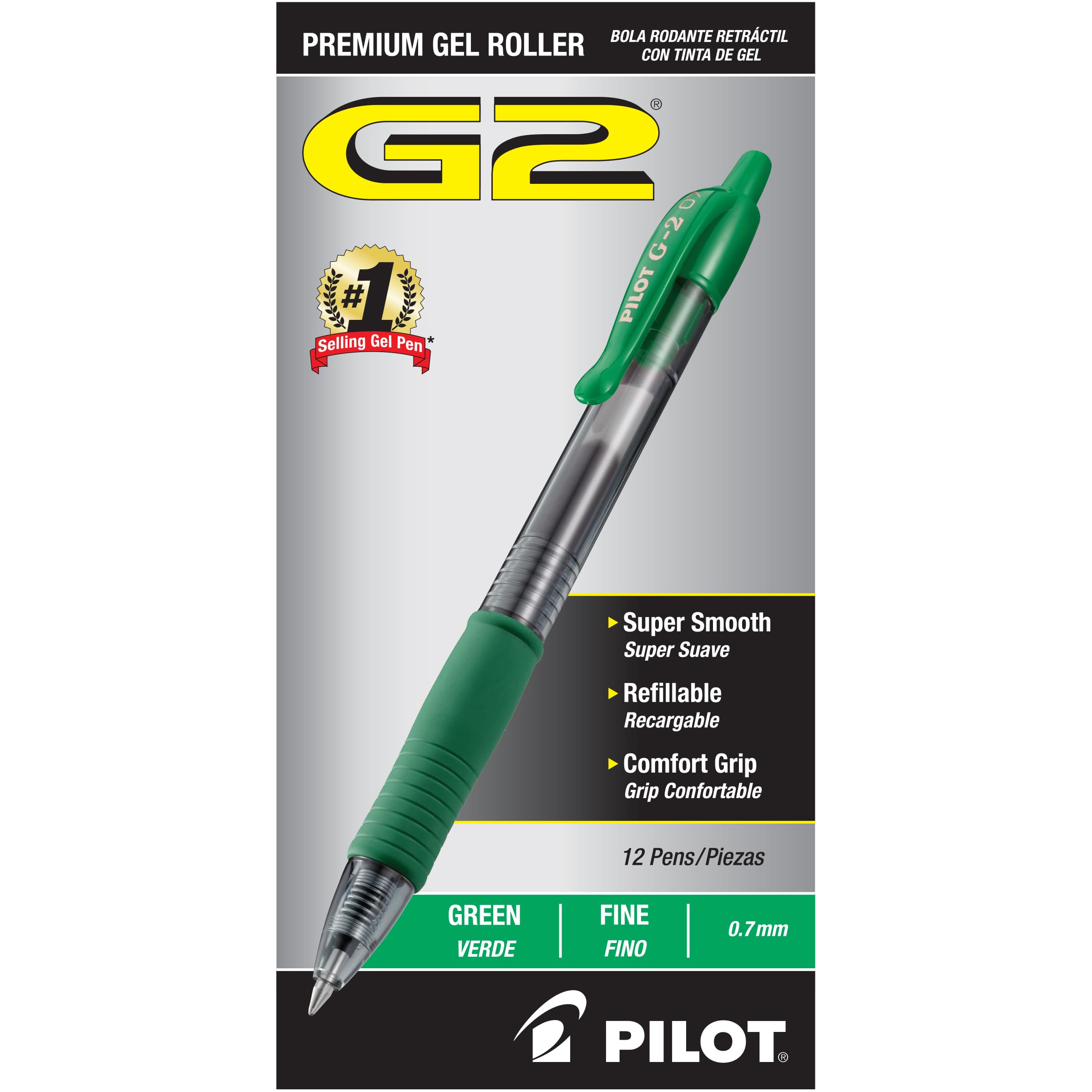
- Green fine-point gel ink adds a colorful option for notes and planning.
- The contoured rubber grip supports longer writing sessions.
- The retractable pens can be reused with separately sold refills.
Best Gift For: A music teacher who writes lesson notes, plans, or reminders by hand.

Clever Fox Planner PRO Light, Undated Weekly Planner

- Undated pages let the recipient begin at any point in the year.
- Monthly, weekly, and daily planning supports a range of scheduling needs.
- A quick-start guide and colorful stickers are included.
Best Gift For: A teacher who wants one place to organize goals and weekly plans.
FIFINE T669 USB Studio Microphone Kit
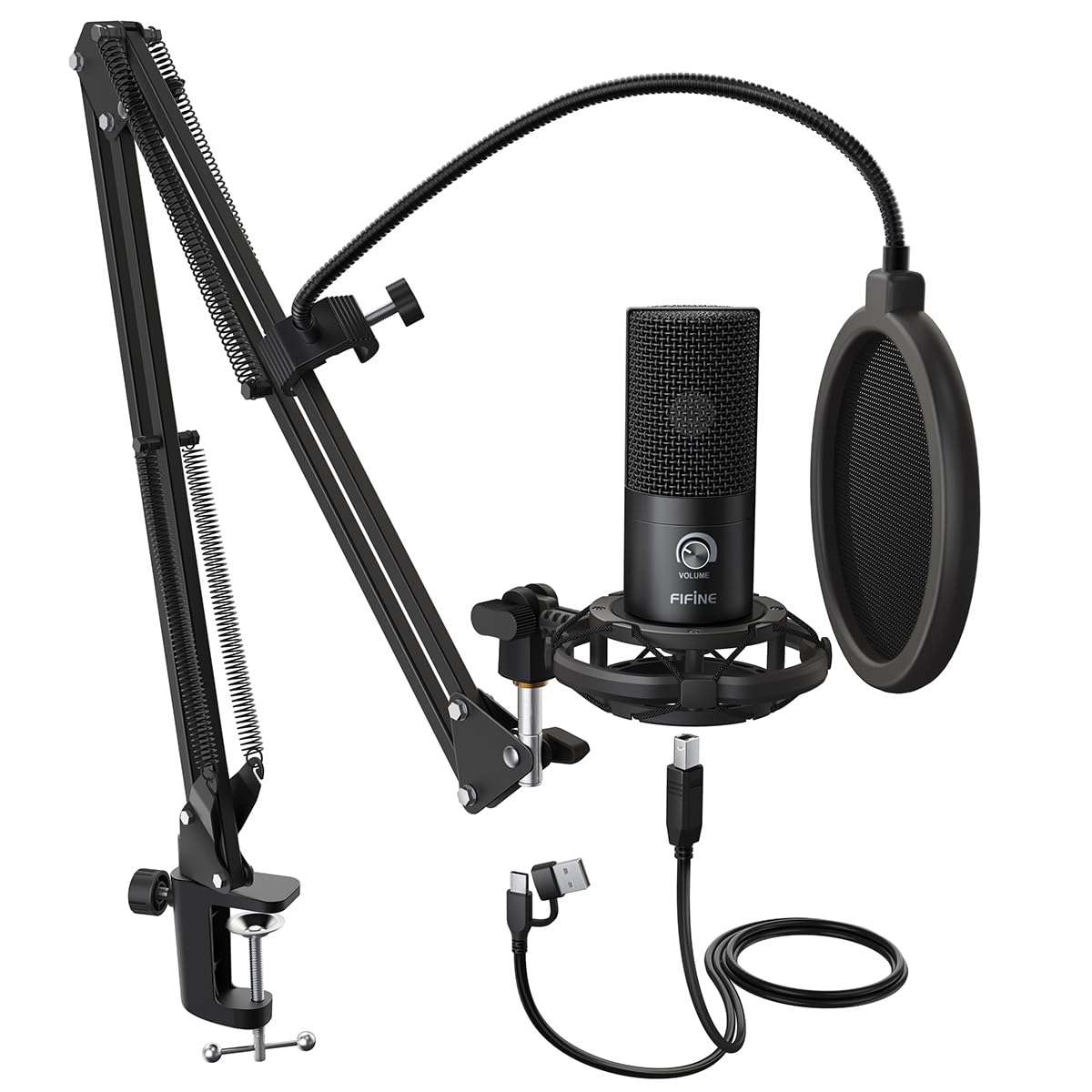
- USB connection provides plug-and-play setup with a PC or laptop.
- The kit includes an adjustable boom arm and double pop filter.
- A cardioid capsule captures audio from the front.
Best Gift For: A music teacher who records vocal lessons or creates voiceovers at home.
Samson Q2U Dynamic USB-C/XLR Microphone Pack
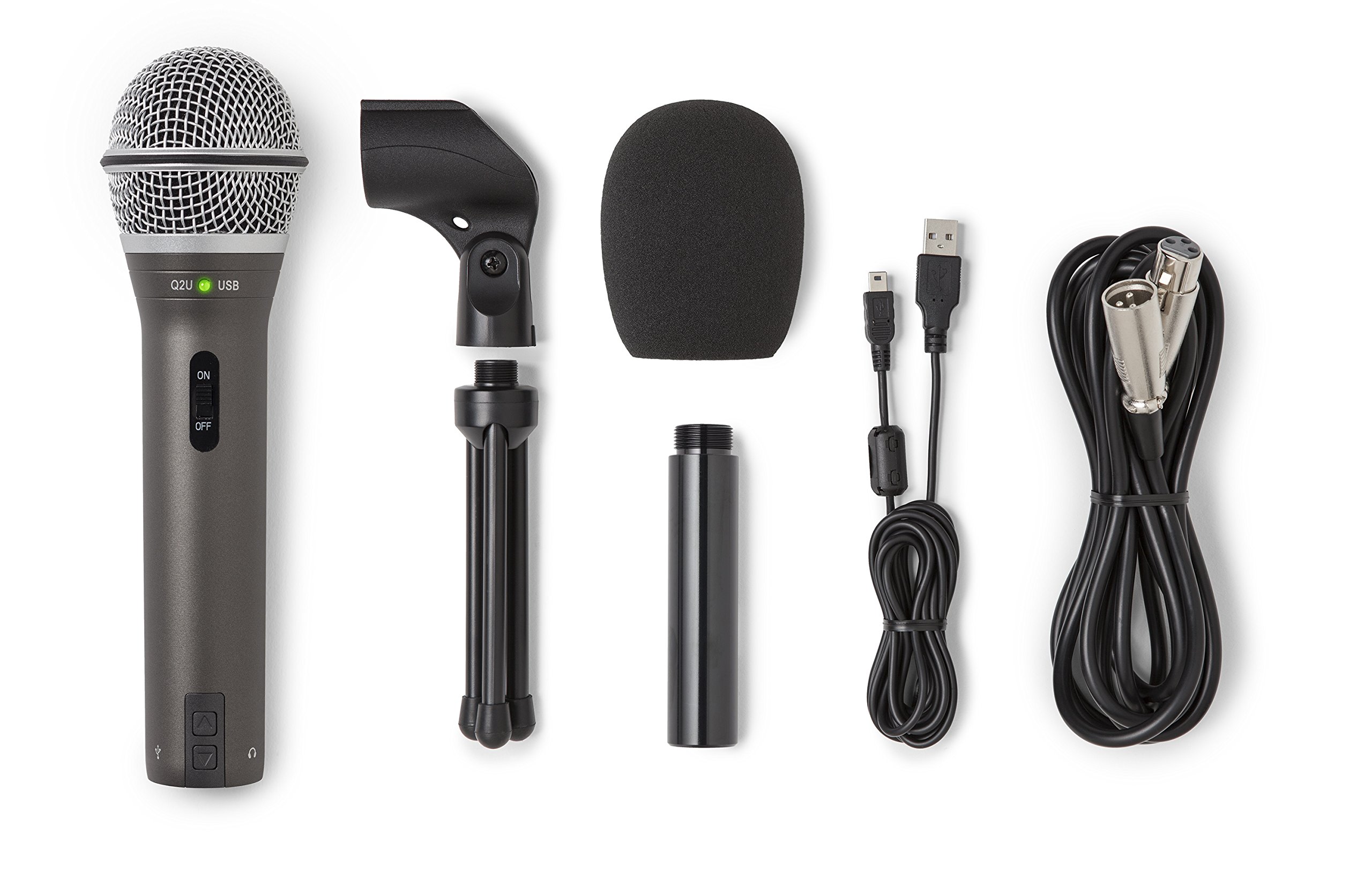
- The handheld microphone offers both XLR and USB-C connections.
- It plugs directly into a computer with a USB-C interface.
- The pack includes a desktop tripod stand, clip, and windscreen.
Best Gift For: A teacher who records audio and wants USB-C and XLR connection options.
Big Fudge Vinyl Record Cleaning Kit
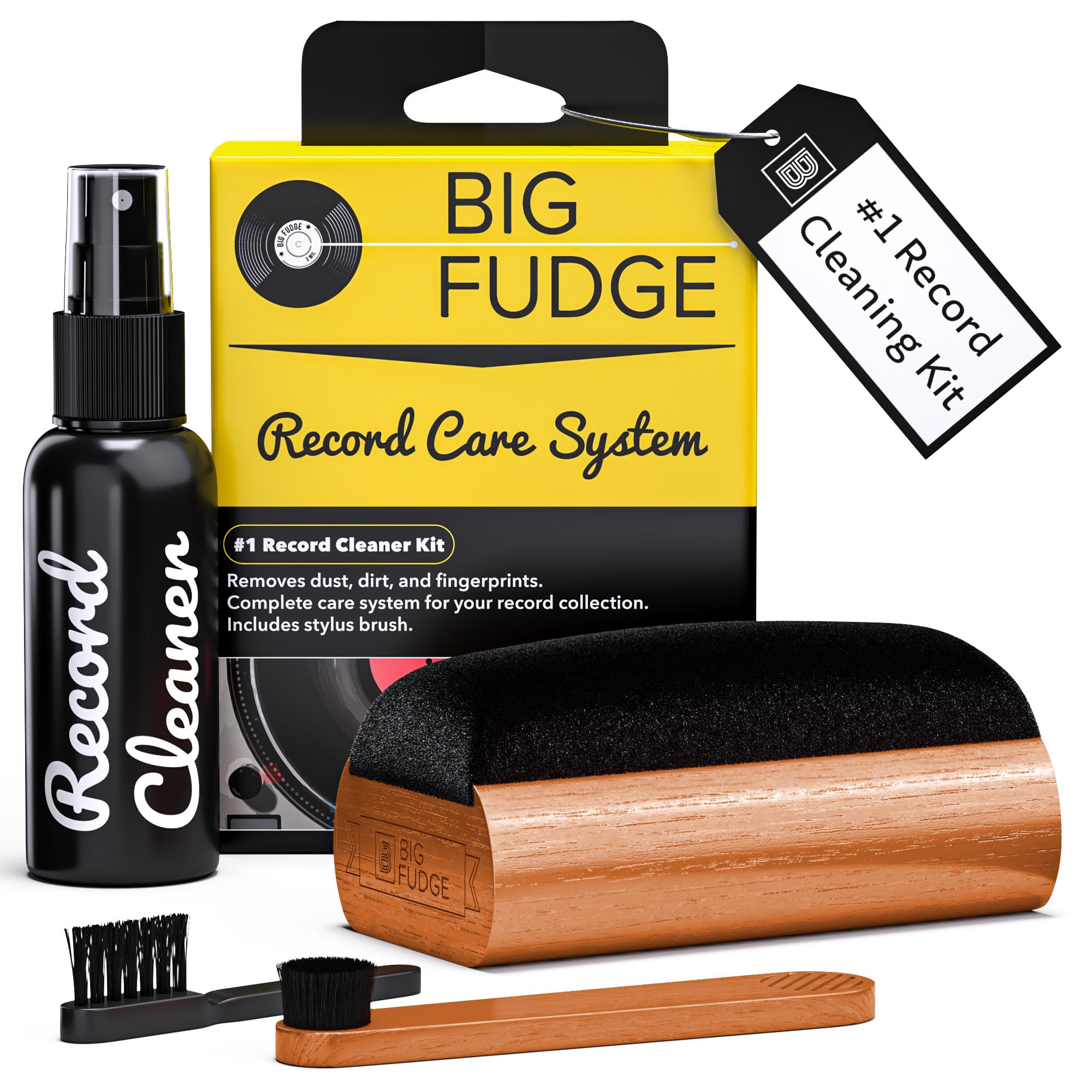
- The kit includes a velvet brush, cleaning liquid, stylus brush, and pouch.
- The brush is designed to remove dust, dirt, and fingerprints.
- A stylus brush helps remove particles from a record player’s needle.
Best Gift For: A music teacher who collects records and enjoys caring for them.
Liquid Stands Z-Style Keyboard Stand, White
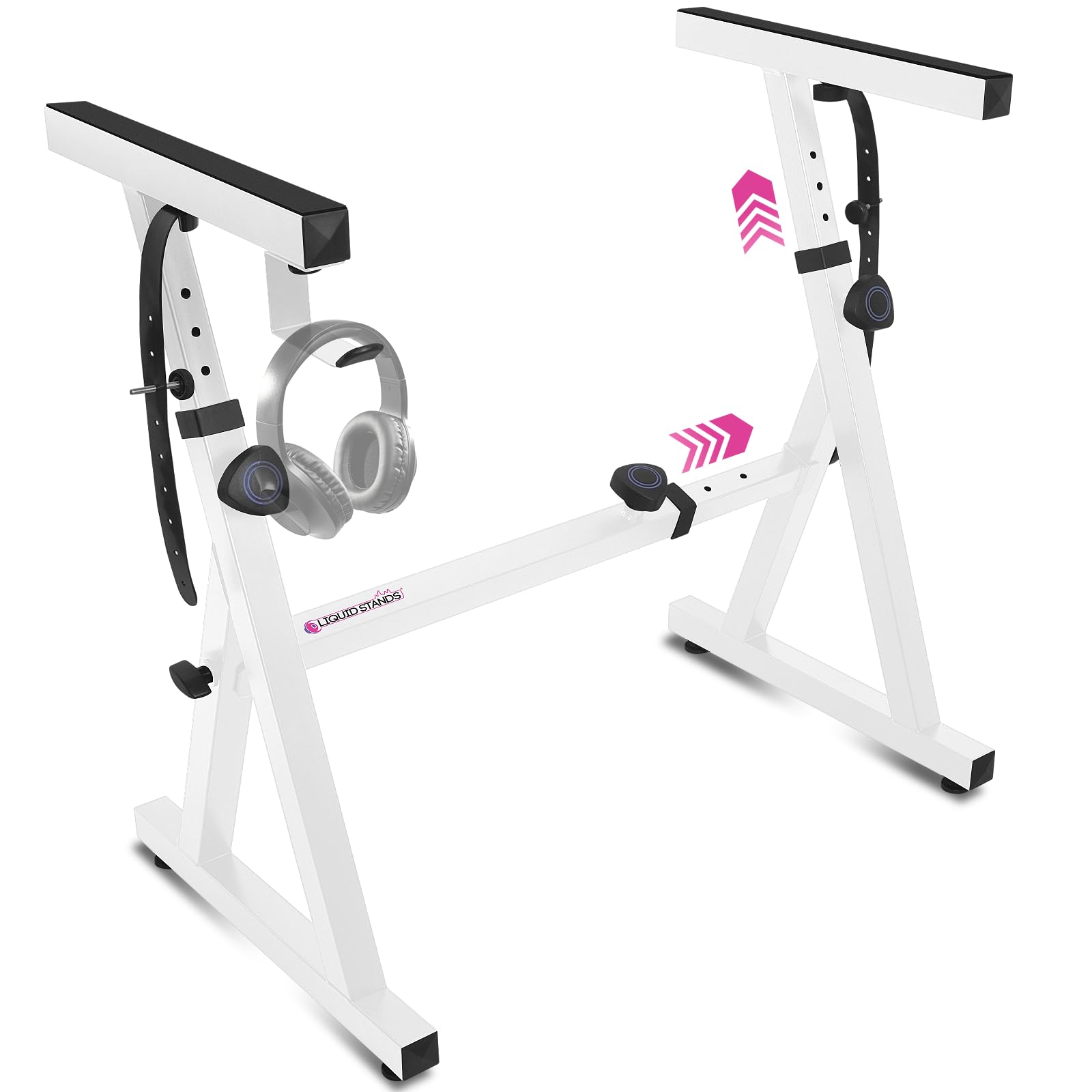
- The stand adjusts in height and width to fit keyboards.
- Its Z-style design can be used while seated or standing.
- A headphone hook and anchoring straps are included.
Best Gift For: A teacher who needs an adjustable stand for a classroom or practice space.
SONGMICS Duet Piano Bench with Storage
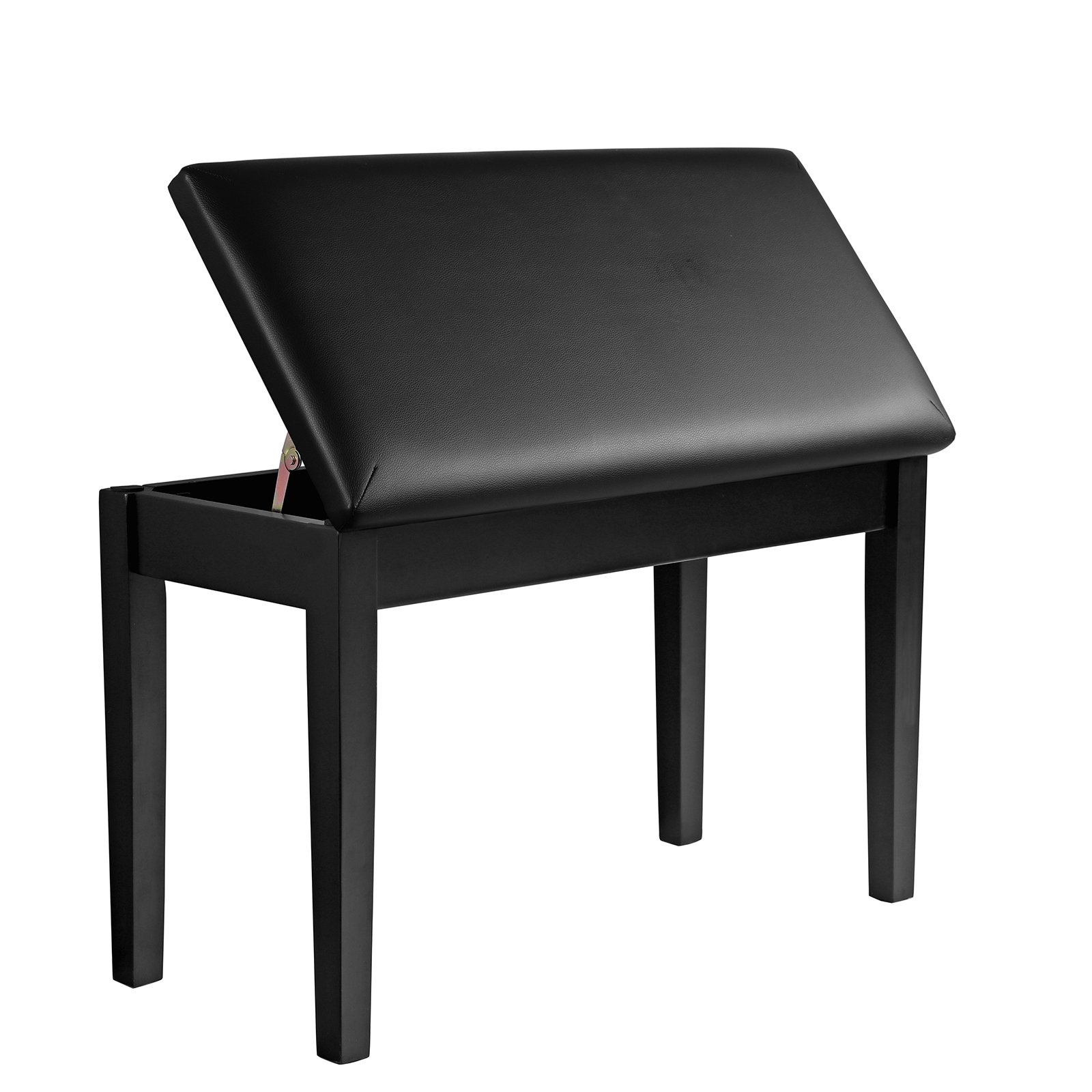
- The bench is designed for two players during duets.
- A hidden compartment stores sheet music and books beneath the seat.
- The padded seat has a water-resistant faux leather surface.
Best Gift For: A piano teacher who plays alongside students or needs nearby sheet music storage.
Donner DED-80 Electric Drum Kit
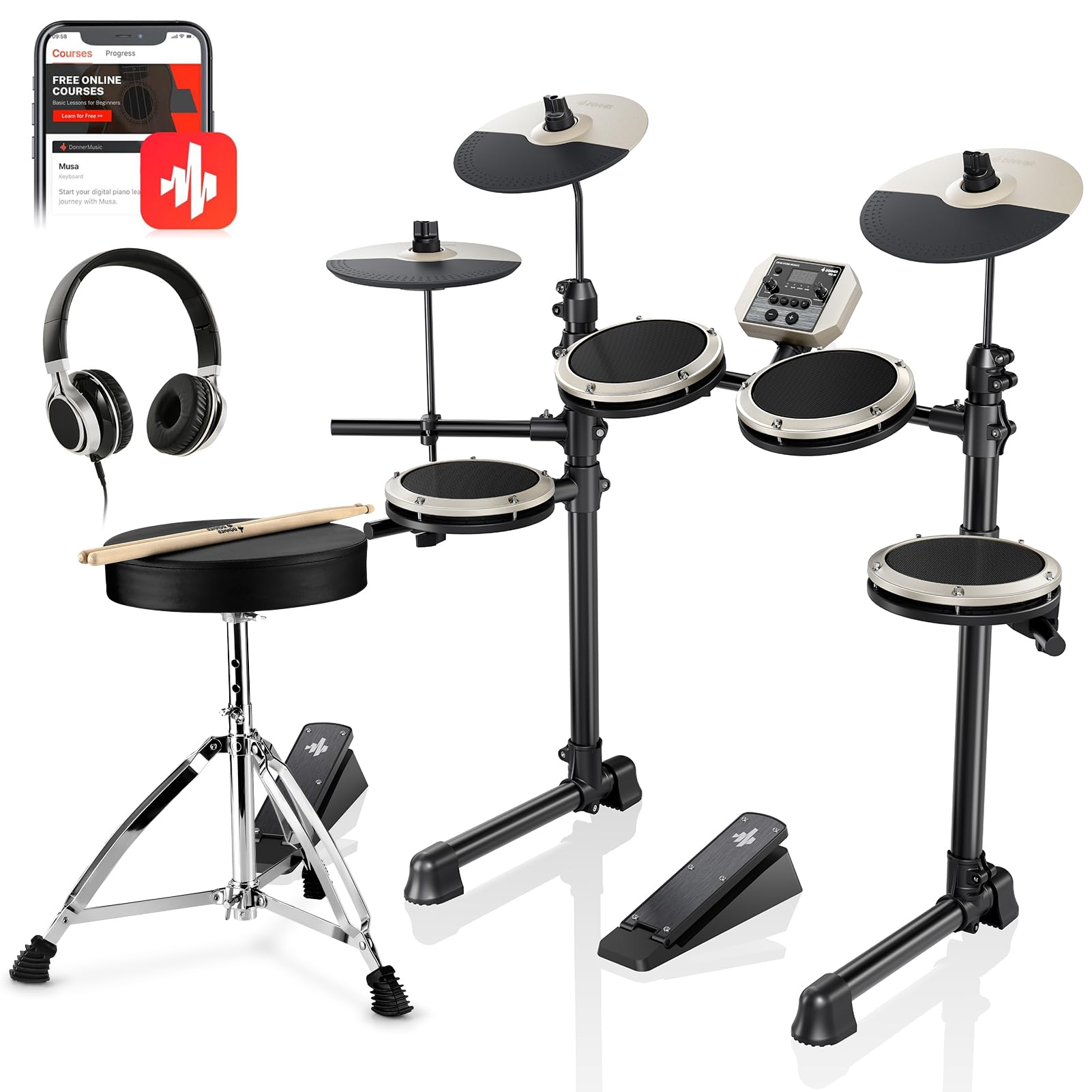
- The set includes mesh pads, cymbals, a throne, headphones, and sticks.
- Built-in learning features include a drum coach and play-along tracks.
- Headphones support quiet practice at home.
Best Gift For: A drum teacher helping a beginner explore home practice and lessons.
Donner STARRYPAD MIDI Pad Controller
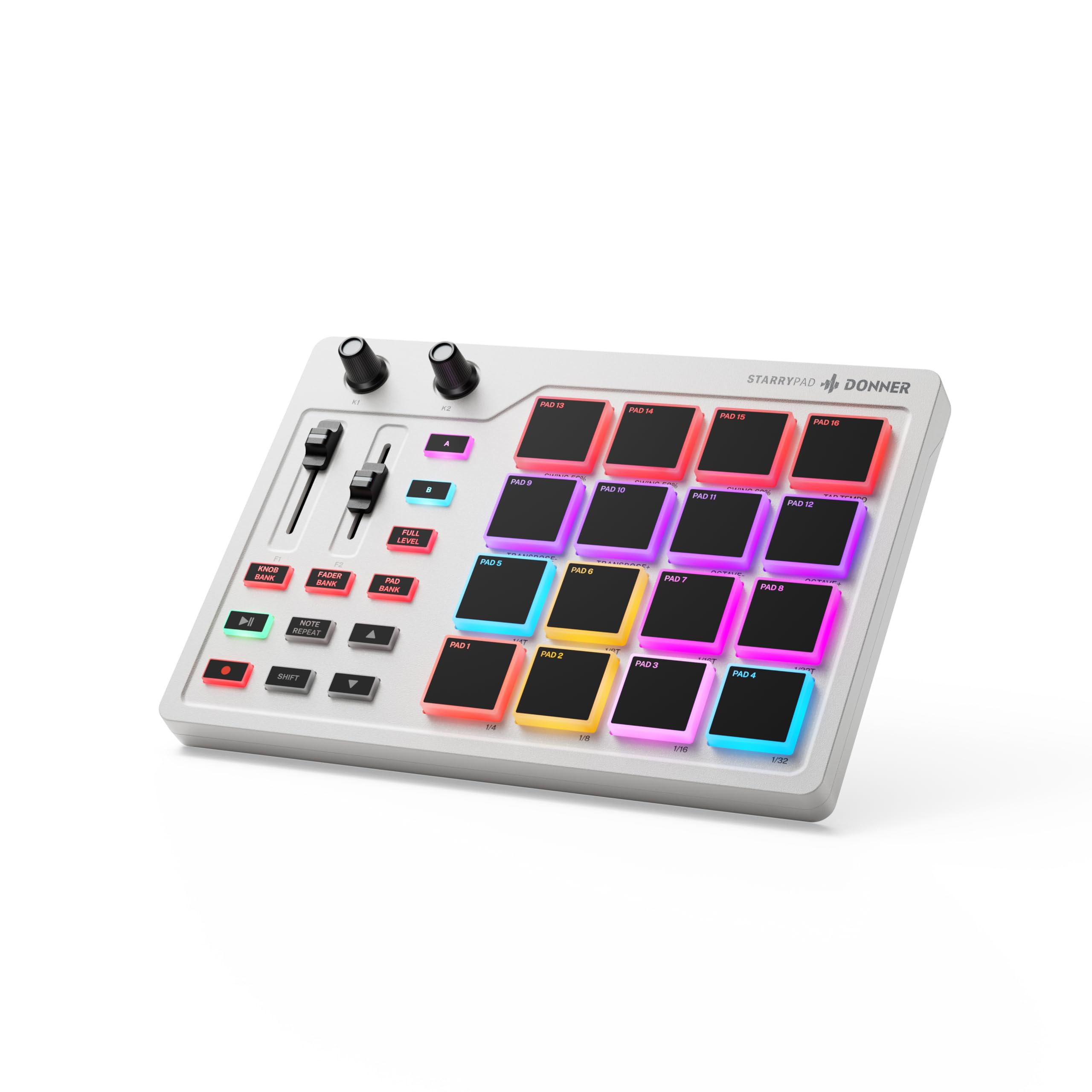
- The pads can trigger drums, samples, and effects.
- The controller includes faders, knobs, and buttons for added control.
- It needs DAW software to produce sound.
Best Gift For: A teacher who introduces students to rhythm programming or music production.
SHOKZ OpenRun Mini Headphones, Pack of 2
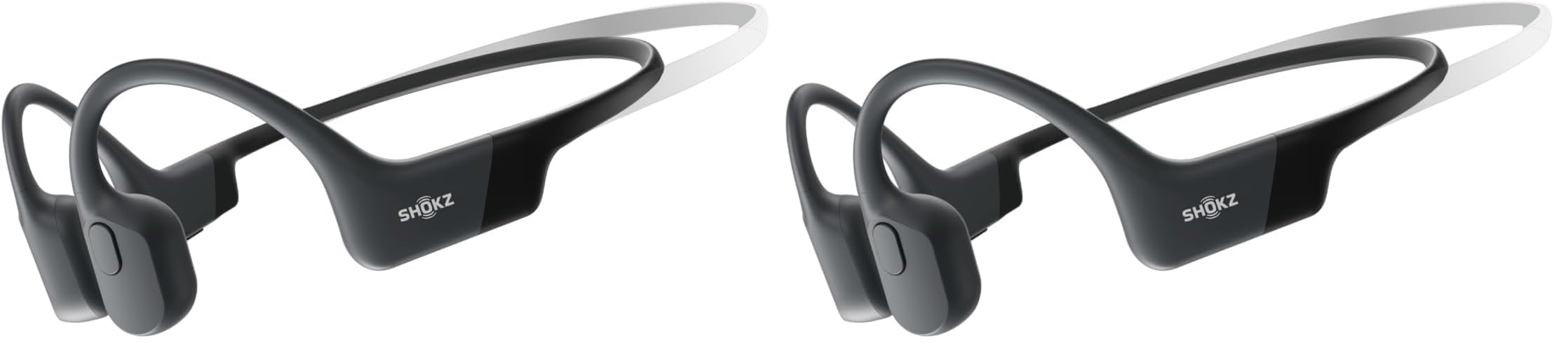
- This OpenRun Mini listing is a pack of two.
- The open-ear fit leaves the ears free of earbuds.
- The headphones provide eight hours of music, calls, and podcasts.
Best Gift For: A music teacher who listens to music or podcasts during workouts.
Donner DUC-200D Concert Ukulele Starter Pack
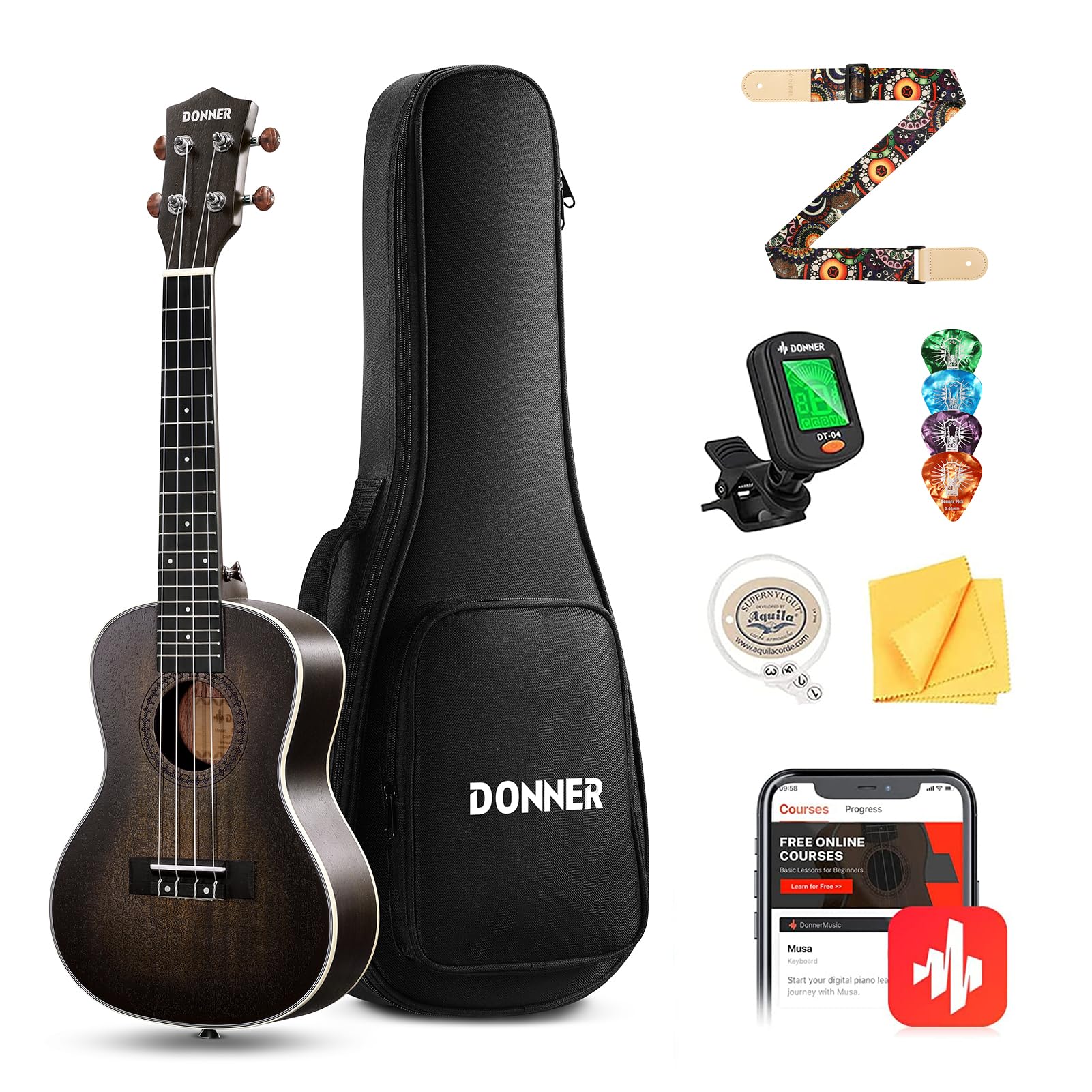
- The starter pack includes a padded gig bag, strap, tuner, strings, picks, and cloth.
- Free online lessons cover tuning and playing songs.
- The mahogany body and Aquila carbon nylon strings create a sweet, bright sound.
Best Gift For: A teacher who wants a beginner-friendly instrument to share with a new player.
Donner DDP-80 PLUS Digital Piano, 88 Keys
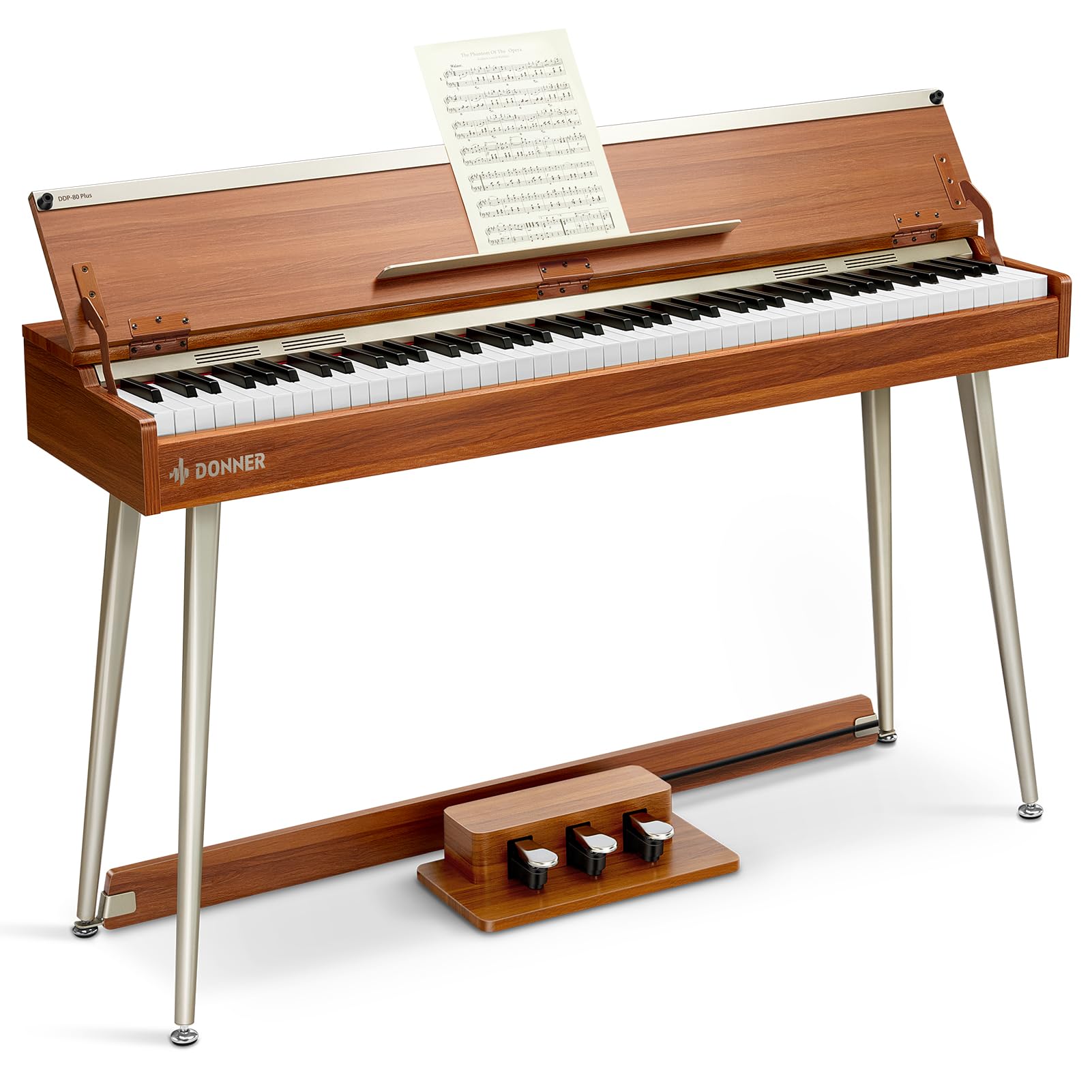
- The keyboard has weighted keys for an acoustic piano feel.
- USB-MIDI connectivity supports recording and composing with computer software.
- Headphones can connect for private listening.
Best Gift For: A piano teacher outfitting a home studio or a dedicated teaching space.
1. Choose gifts for music teachers around their teaching day
When choosing gifts for music teachers, start with the parts of a teaching day that take the most effort. Someone who spends hours planning may appreciate a practical writing or organizing tool; a teacher who records demonstrations may value equipment that fits the way they already work.
Think about where the gift will be used. A classroom, home studio, rehearsal space, and shared music room each have different needs for storage, setup, and noise.
A compact accessory can be easier to place than a large instrument or piece of furniture.
If you are unsure about their equipment, ask a colleague or family member about the teacher’s setup and interests. For a substantial instrument or stand, check the recipient’s existing gear and available space before buying.
A smaller, useful gift can be a thoughtful choice when those details are unknown.
2. Balance budget with the recipient’s needs
Set a comfortable budget before comparing ideas. Useful gifts can be simple supplies or larger studio investments, and a higher price does not automatically make an item more suitable.
Consider how often the recipient will use it and whether it works with the equipment they already own.
For a modest budget, focus on everyday needs and personal interests. A practical item can feel special when paired with a handwritten note about the lessons, performances, or encouragement you appreciate.
For a group gift, pooling contributions may make a bigger purchase possible without putting the whole cost on one person.
For equipment, allow room in your budget for accessories or setup needs. Check actual prices and product details before deciding, especially for items that connect to a computer or need a dedicated place to live.
Choose a gift that fits the recipient’s situation instead of stretching for a more elaborate option.
3. Personalize gifts for music teachers
Personal touches can make gifts for music teachers feel connected to the person behind the lessons. Add a note that mentions a specific recital, classroom moment, or musical idea they helped bring to life; concrete appreciation is often more meaningful than a generic thank-you.
For an instrument or recording accessory, personalize the presentation with a card describing why you thought it matched their interests. Avoid adding supplies or extras until you know they fit the recipient’s setup.
Compatibility and personal preference matter, particularly with music equipment.
Presentation can stay simple: wrap a small item with a music-themed card, or place a note on top of a larger gift so it is easy to read before unpacking. If several students are contributing, gather short messages into one card or booklet to make the gift feel communal and warm.
4. Check details before buying
For gifts with technical connections, confirm compatibility with the recipient’s computer, phone, or existing audio gear. Check dimensions and the intended use, particularly for a stand, bench, or instrument that needs space.
These small checks help avoid a present that is awkward to set up or cannot be used as intended.
When considering a larger purchase, find out whether the recipient has room for it and whether it fills a real need. A teacher may already have preferred equipment, so a discreet question to someone close to them can help.
If that information is unavailable, choose something simpler and easier to use.
Before placing an order, review current product details, actual prices, and delivery estimates. Product configurations can vary, so confirm the selected option and what comes with it.
Build in time to wrap the gift and prepare a note, especially if you are buying for a school event or end-of-term gathering.
5. Make a thoughtful choice when time is short
If the occasion is close, start with gifts that are easy to personalize and straightforward to present. A small practical item paired with a sincere message can feel considered without requiring extensive research.
For a larger purchase, check delivery estimates before counting on it for a specific date.
A gift card to a music shop can be useful when you are uncertain about preferred brands or technical compatibility. Pair it with a short note naming the kind of music-making you hope it supports, such as lessons, recording, or a new instrument.
That keeps the gesture personal while leaving the final choice to the teacher.
For a group gift, agree on a budget and one person to coordinate the purchase and messages. Confirm the recipient’s needs, inspect the final order details, and keep the wrapping simple.
The best gesture is one that recognizes the care they bring to teaching and gives them something they can enjoy or use.