The TP-Link Archer BE230 brings Wi-Fi 7 and two 2.5 Gbps ports to a dual-band home router, with EasyMesh support for extending coverage.
This tp link be3600 review looks at its useful mix of wireless features and wired flexibility, along with the limits buyers should weigh.
Archer BE230 Review Summary
The quick verdict
1,000+ ratings
Read Amazon ReviewsTP-Link Archer BE230
A fit for homes seeking Wi-Fi 7, two 2.5 Gbps ports, and app-based management without moving to a tri-band setup.
- Dual-band Wi-Fi 7 with maximum speeds of up to 2,882 Mbps on 5 GHz and 688 Mbps on 2.4 GHz; 6 GHz is not supported.
- Wi-Fi 7 features include Multi-Link Operation, Multi-RUs, and 4K-QAM.
- One 2.5 Gbps WAN/LAN port, one 2.5 Gbps LAN port, and three 1 Gbps LAN ports.
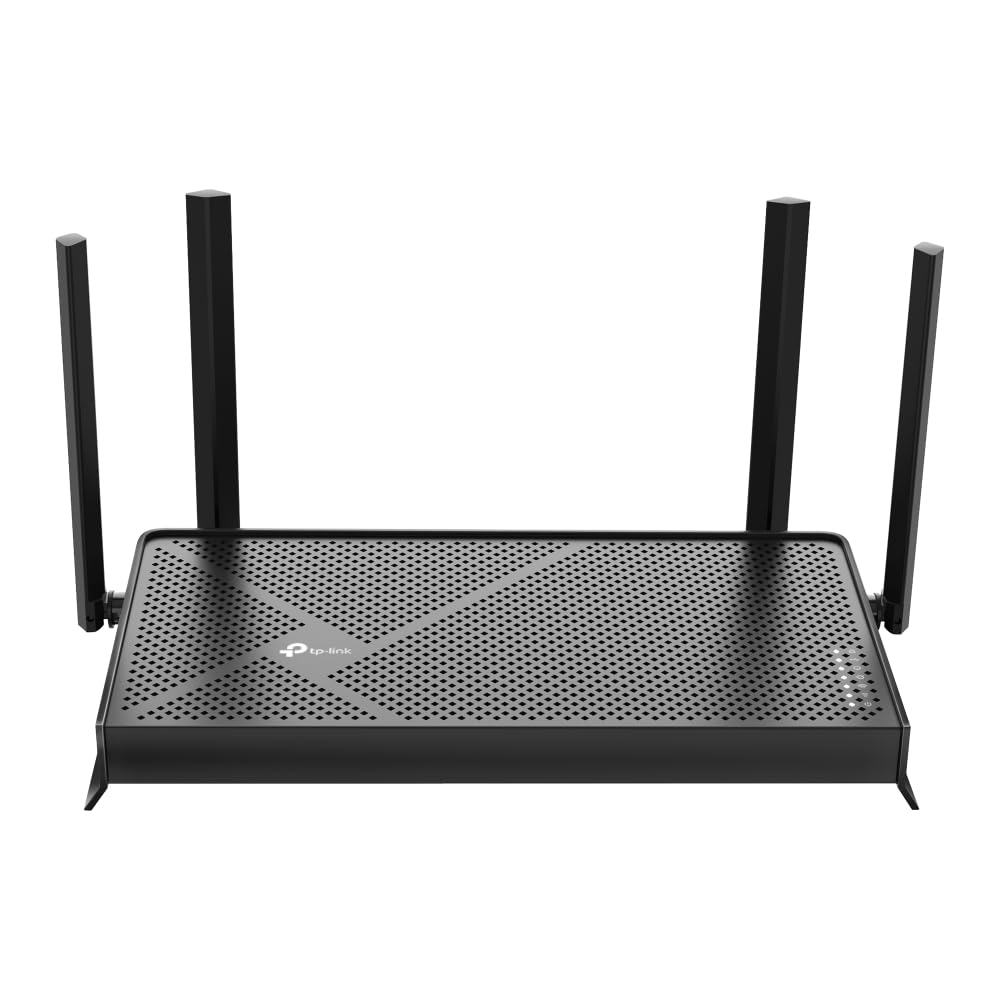
- Coverage is specified up to 2,000 square feet and up to 60 devices; the router has four internal antennas and beamforming.

Pros
- Brings Wi-Fi 7 features to a dual-band router with no need to plan around a 6 GHz band.
- Two 2.5 Gbps ports allow multi-gig wired connections for an internet gateway and a compatible local device.
Consider before buying
- The dual-band design does not include 6 GHz, so buyers who specifically want that Wi-Fi band should consider another setup.
- The router's maximum wireless speeds and coverage figures depend on distance, obstacles, and other conditions.
Read the full review summary
The Archer BE230 is designed for homes that want a current Wi-Fi standard and multi-gig wired connections in one router.
Its dual-band radio supports up to 2,882 Mbps on 5 GHz and 688 Mbps on 2.4 GHz, while Multi-Link Operation, Multi-RUs, and 4K-QAM are among its Wi-Fi 7 features.
Those figures are maximum link speeds, not a promise of a particular internet speed in every room.
It may suit households with a multi-gig internet connection or wired devices that can use the 2.5 Gbps ports, as well as people who want app-based setup and the option to build an EasyMesh network.
It is a more focused choice for homes that do not need a 6 GHz band. The router requires a separate modem, and coverage depends on the home layout and other conditions.
The buying factors
Archer BE230 Scorecard
Editorial scores reflect listed features and buyer fit; they are not laboratory measurements or customer ratings.
Wi-Fi 7 feature set
Includes Multi-Link Operation, Multi-RUs, and 4K-QAM, though this is a dual-band design without 6 GHz.
Wired connectivity
Two 2.5 Gbps ports, including one WAN/LAN port, plus three 1 Gbps LAN ports offer useful flexibility.
Coverage flexibility
Beamforming, four internal antennas, and EasyMesh support provide ways to address coverage needs, with results dependent on the home.
Device capacity
The design is specified for up to 60 devices, a helpful planning figure for many households.
Setup and management
The Tether app supports setup, management, and firmware updates; the product also lists Alexa and Google Assistant compatibility.
Home network features
HomeShield, VPN support, and private IoT features broaden its appeal beyond basic routing.
Key Features and Specifications of Archer BE230
- Dual-band Wi-Fi 7 with maximum speeds of up to 2,882 Mbps on 5 GHz and 688 Mbps on 2.4 GHz; 6 GHz is not supported.
- Wi-Fi 7 features include Multi-Link Operation, Multi-RUs, and 4K-QAM.
- One 2.5 Gbps WAN/LAN port, one 2.5 Gbps LAN port, and three 1 Gbps LAN ports.
- Coverage is specified up to 2,000 square feet and up to 60 devices; the router has four internal antennas and beamforming.
- EasyMesh compatibility allows it to work with compatible routers and range extenders to form a mesh network.
- The Tether app supports setup, network management, and firmware updates. HomeShield, VPN, Alexa, and Google Assistant features are also listed.
Pros and Cons of Archer BE230
Pros
- Brings Wi-Fi 7 features to a dual-band router with no need to plan around a 6 GHz band.
- Two 2.5 Gbps ports allow multi-gig wired connections for an internet gateway and a compatible local device.
- Three additional gigabit LAN ports give wired devices several connection options.
- EasyMesh support offers a path to extend a compatible home network.
- App management, HomeShield, and voice assistant compatibility cover common setup and network-management needs.
Consider before buying
- The dual-band design does not include 6 GHz, so buyers who specifically want that Wi-Fi band should consider another setup.
- The router's maximum wireless speeds and coverage figures depend on distance, obstacles, and other conditions.
- A separate modem is required, so buyers replacing a modem-router combination should check their equipment needs.
Who Should Buy Archer BE230?
Good fit
Consider the Archer BE230 if you want Wi-Fi 7 features and multi-gig wired connectivity in a straightforward dual-band router.
Its port mix is especially useful when the internet service or a wired device can make use of 2.5 Gbps, while its three gigabit LAN ports keep other wired equipment connected.
It is also a reasonable fit if you want to start with one router and retain the option to extend coverage using compatible EasyMesh equipment.
Check the expected layout and placement against the up-to-2,000-square-foot coverage figure, and remember that walls and distance can affect results.
Before buying, confirm that you have a separate modem if your provider requires one, and that the devices you care about can use the router's faster wireless or wired connections.
The listed maximum speeds describe the router's capabilities, not the speed every client will receive.
Who should skip it
Look elsewhere if 6 GHz is central to your plan: this router is dual-band and does not support that band.
Consider a different solution if you need a more extensive coverage system from the start or rely on a modem-router unit, since this is a standalone router and the coverage figure is conditional.
How the Archer BE230 Fits a Wi-Fi 7 Home
A focused take on Wi-Fi 7
Wi-Fi 7 features such as Multi-Link Operation, Multi-RUs, and 4K-QAM give the Archer BE230 a current wireless foundation.
Its dual-band layout keeps the choice simpler, but it means there is no 6 GHz band for compatible devices to use.
Buyers should weigh the features they can use today against whether a three-band setup matters to their plans.
Two faster wired ports add flexibility
The port arrangement is a notable strength: one 2.5 Gbps port can serve as WAN or LAN, another is dedicated to LAN, and three more LAN ports support gigabit connections.
That gives a household options for multi-gig internet or a fast wired device without giving up all the standard wired ports. The benefit depends on compatible internet service and connected equipment.
Coverage claims need room context
The router is specified for up to 2,000 square feet and up to 60 devices, with four internal antennas and beamforming.
These figures help set expectations, but they cannot account for every floor plan, wall, or source of interference. EasyMesh compatibility gives buyers an expansion route if one router does not suit the home layout.
Everyday setup and management
The Tether app is intended to simplify initial setup and ongoing management, including firmware updates. HomeShield adds network protection, parental controls, and IoT security features, while the product also lists VPN and voice assistant support.
Buyers who depend on a particular control should confirm that the specific feature meets their needs before relying on it.
Alternatives to Archer BE230
Computer Routers alternative
5,000+ ratings
Read Amazon ReviewsTP-Link Archer AXE75
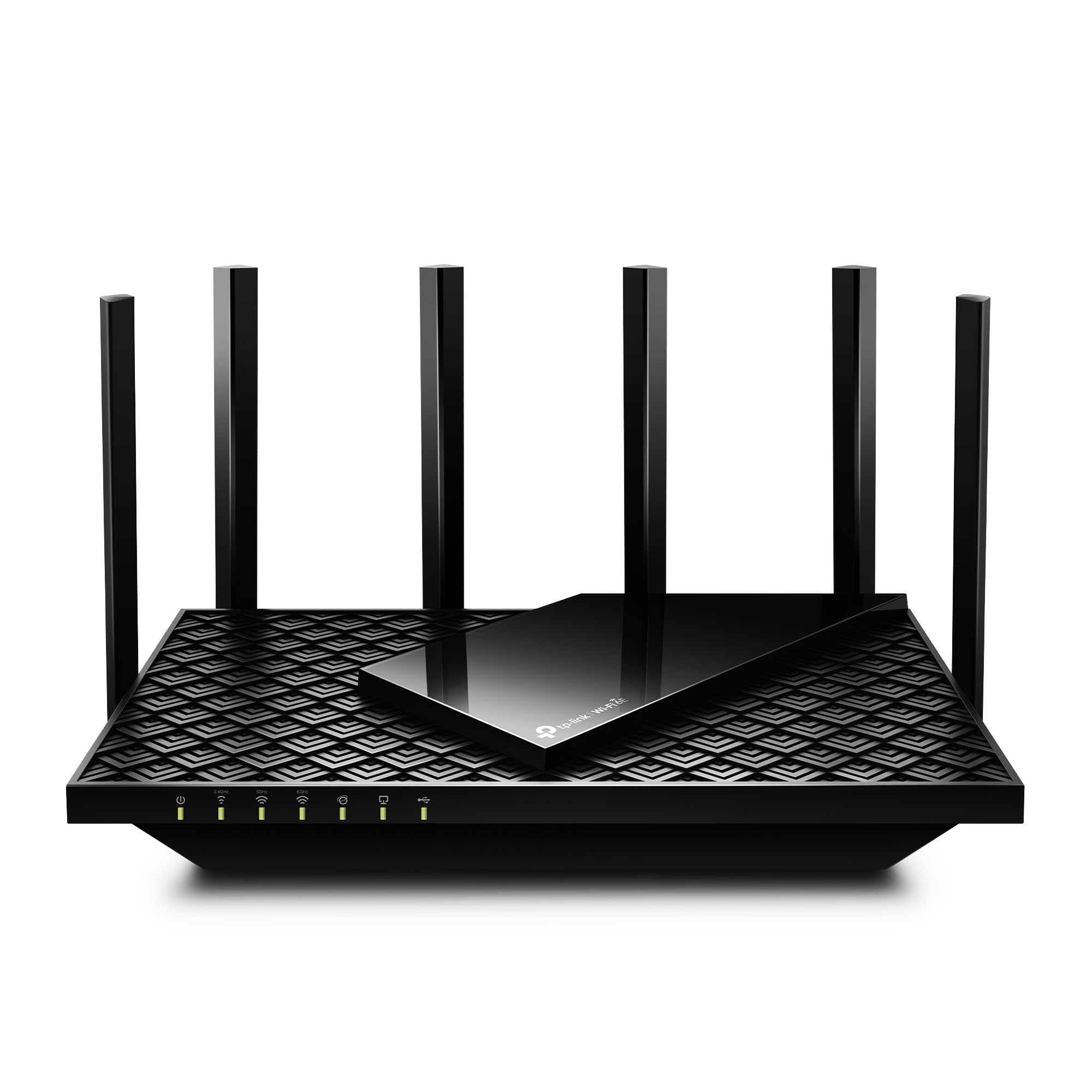
Choose the Archer BE230 if Wi-Fi 7 and two 2.5 Gbps ports better match your priorities. The AXE75 is the more relevant fit if you specifically want tri-band Wi-Fi 6E and a 6 GHz band.
- The Archer AXE75 is a tri-band Wi-Fi 6E router with a 6 GHz band, up to 5,400 Mbps combined wireless speed, and a 2.5 Gbps WAN port.
- The Archer BE230 is a dual-band Wi-Fi 7 router with two 2.5 Gbps ports and no 6 GHz band.
Computer Routers alternative
600+ ratings
Read Amazon ReviewsTP-Link Archer BE600
The BE230 offers a more modest dual-band configuration for homes whose needs fit its stated coverage and port mix.
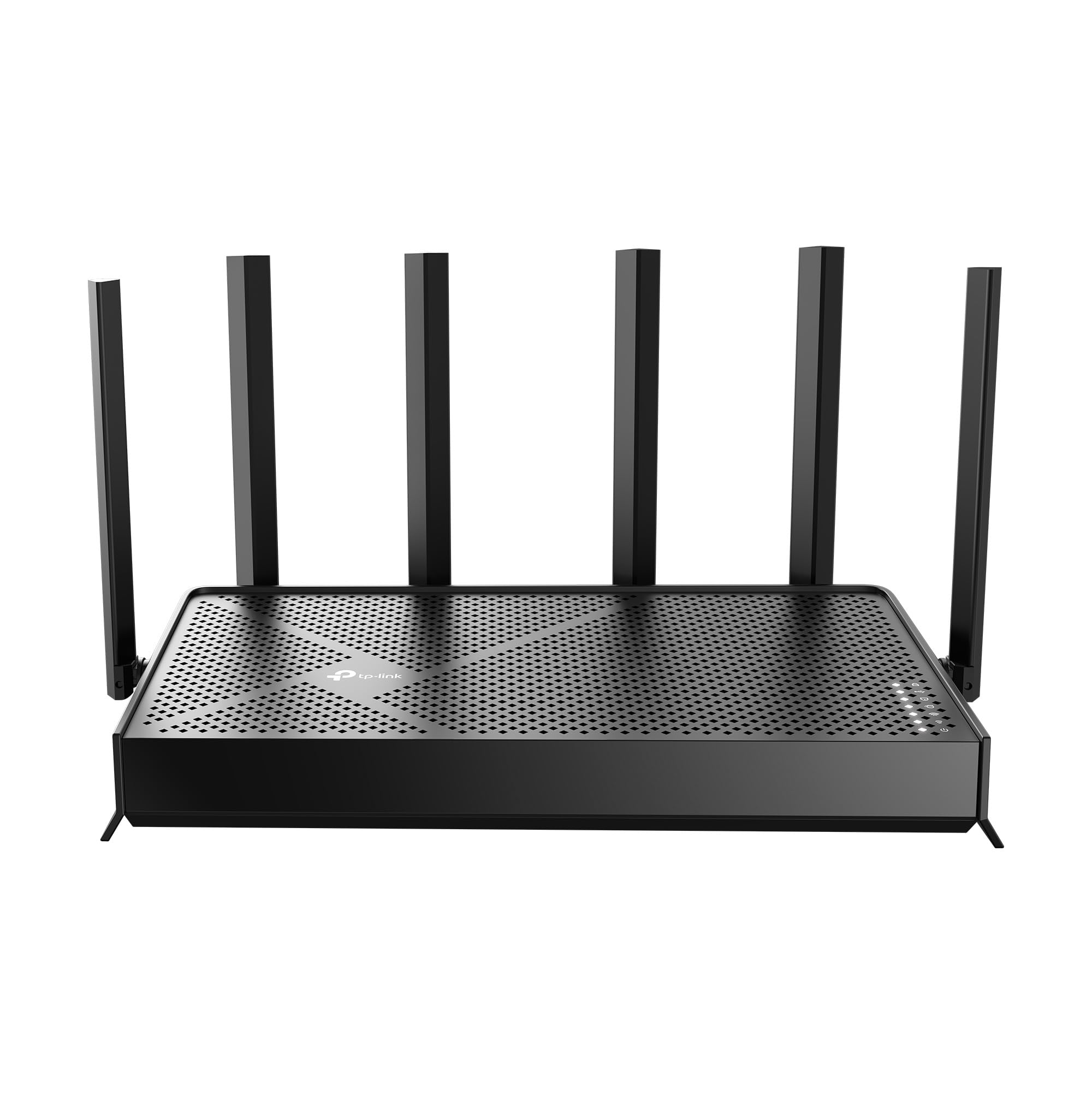
The BE600 is a closer fit for buyers seeking tri-band Wi-Fi 7, more 2.5 Gbps LAN capacity, or higher stated coverage and device capacity.
- The Archer BE600 is a tri-band Wi-Fi 7 router with a 10 Gbps WAN/LAN port, a 2.5 Gbps WAN/LAN port, three 2.5 Gbps LAN ports, and coverage specified up to 2,600 square feet for up to 120 devices.
- The Archer BE230 is a dual-band model specified for up to 2,000 square feet and up to 60 devices, with two 2.5 Gbps ports.
Is Archer BE230 Worth It?
The TP-Link Archer BE230 is worth considering if you want Wi-Fi 7 features, two 2.5 Gbps ports, and app-based management in a dual-band router. Its wired flexibility and EasyMesh option make it adaptable for many home networks.
Choose it with a clear view of the tradeoffs: it has no 6 GHz band, needs a separate modem, and its coverage and speed figures are maximums that depend on conditions.
If those limits fit your setup, it is a practical router to shortlist.
Your review at a glance
1,000+ ratings
Read Amazon ReviewsTP-Link Archer BE230
A fit for homes seeking Wi-Fi 7, two 2.5 Gbps ports, and app-based management without moving to a tri-band setup.
- Dual-band Wi-Fi 7 with maximum speeds of up to 2,882 Mbps on 5 GHz and 688 Mbps on 2.4 GHz; 6 GHz is not supported.
- Wi-Fi 7 features include Multi-Link Operation, Multi-RUs, and 4K-QAM.
- One 2.5 Gbps WAN/LAN port, one 2.5 Gbps LAN port, and three 1 Gbps LAN ports.
- Coverage is specified up to 2,000 square feet and up to 60 devices; the router has four internal antennas and beamforming.